The Real Threat to Sharks: Why Ocean Predators Need Our Help
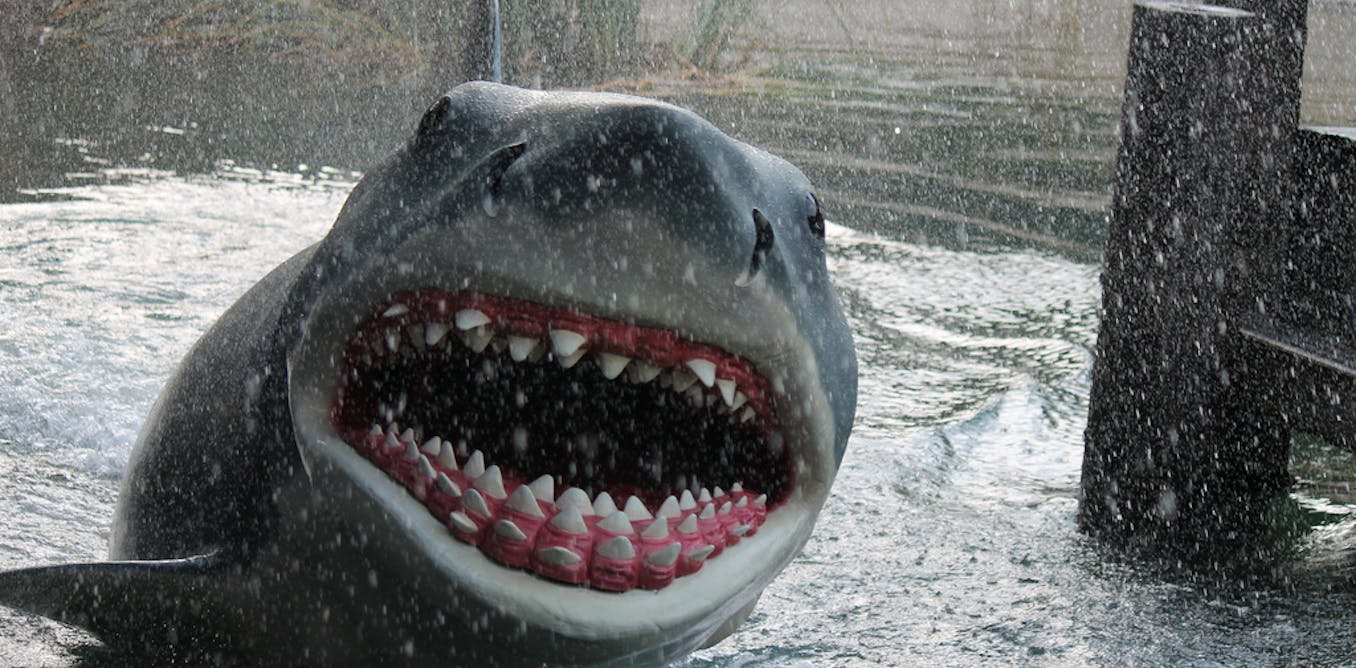
For centuries, sharks have been cast as the quintessential ocean villain, fearsome, bloodthirsty creatures lurking in the depths. Blockbuster movies and sensationalized media often perpetuate this terrifying image, painting them as relentless hunters with an insatiable appetite. Yet, the reality of sharks is far more complex, fascinating, and, indeed, tragic than their pop culture portrayal suggests. These ancient mariners, who navigated the world's oceans long before the dinosaurs, are not the greatest threat in the sea. Instead, they are the ones facing an existential crisis, predominantly at the hands of humanity. It's time to shift our perspective and recognize that these vital apex predators desperately need our help, not our fear.
Beyond the Blockbuster: Unveiling the True Nature of Sharks
Imagine an animal that has refined its existence over more than 400 million years, an evolutionary marvel that predates trees and nearly every other vertebrate on Earth. This incredible lineage belongs to sharks. Their survival is a testament to their remarkable adaptability, allowing them to evolve into roughly 500 distinct species that inhabit nearly every corner of the global ocean, from icy polar waters to sun-drenched tropical reefs, and from shallow coastal nurseries to the abyssal deep.
As members of the subclass Elasmobranchii, alongside rays and skates, sharks possess a unique skeletal structure made entirely of cartilage, a flexible yet strong tissue, rather than bone. This allows for incredible agility and resilience. Their signature feature, however, might be their sophisticated respiratory system: five to seven gill slits on each side of their heads, constantly filtering oxygen from the water.
The diversity within the shark family is astonishing. The colossal whale shark, the largest fish on Earth, can majestically cruise at lengths exceeding 55 feet, filter-feeding on microscopic plankton. At the other end of the spectrum is the tiny dwarf lantern shark, barely reaching eight inches, glowing faintly in the deep sea. Their mouths, often perceived as their most menacing feature, are lined with multiple rows of individually shaped teeth designed for specific prey, from serrated blades for tearing to triangular spears for piercing. These teeth are not permanent; they continuously fall out and regenerate throughout a shark's life, ensuring a perpetual, formidable arsenal. Whether solitary hunters or gathering in social groups, like some lemon sharks, their behaviors are as varied as their forms, a testament to their intricate lives. To delve deeper into the wonders of these misunderstood creatures, explore Sharks Explained: Beyond the Myth of the Ocean Villain.
Dispelling the Myth: Why Humans Aren't on a Shark's Menu
The image of a shark relentlessly hunting a human is deeply ingrained in popular culture, yet it is profoundly misleading. The truth is starkly different: people are simply not on a shark's natural diet. Instances of sharks biting humans are exceptionally rare, often occurring due to curiosity, a defensive reaction to a perceived threat, or, most commonly, a case of mistaken identity in murky waters or low visibility. A splashing swimmer or surfer on a board can easily resemble a seal or a struggling fish, particularly from below.
To put this into perspective, the odds of being attacked by a shark are astronomically low. You are statistically far more likely to die from a lightning strike, a bee sting, or even by drowning in a bathtub than from a shark encounter. This is not to diminish the seriousness of any attack, but rather to highlight the disproportionate fear perpetuated by media narratives. Understanding shark behavior is key to minimizing risks, but the overarching message remains: we are guests in their world, and they rarely view us as prey.
The Real Predators: The Dire Threats Facing Shark Populations
While sharks may not be a significant threat to us, the tragic irony is that we pose an overwhelming threat to them. Human activities are driving drastic declines in shark populations across the globe, pushing many species toward extinction. The scale of this crisis is staggering, with an estimated 100 million sharks killed each year, primarily due to fishing pressures.
- Overfishing and Destructive Practices: The biggest culprit is overfishing. Many fisheries, both legal and unregulated, target sharks directly for their meat, liver oil, and cartilage. However, the most egregious and wasteful practice is "finning." This involves fishermen catching live sharks, brutally hacking off their fins—prized for an expensive Chinese delicacy, shark fin soup—and then dumping the still-living, finless animals back into the ocean. Incapable of swimming and often bleeding out, these sharks suffer a slow, agonizing death from drowning or predation. While some nations have banned shark fishing or finning, the demand for fins continues to fuel this cruel trade. Additionally, sharks are often caught unintentionally as "bycatch" in nets and longlines set for other fish species.
- Habitat Destruction: Sharks rely on specific habitats for breeding, feeding, and sheltering their young. Rising global water temperatures, a consequence of climate change, severely stress these vital ecosystems. Coastal development, pollution, and destructive fishing practices further degrade critical areas like mangroves and coral reefs, which serve as nurseries and hunting grounds for many shark species. The loss of these crucial habitats directly impacts shark reproduction and survival rates.
- Pollution and Climate Change: Beyond habitat loss, ocean pollution, including plastics and chemical contaminants, can directly harm sharks. Microplastics, ingested by their prey, can accumulate in their systems, while chemicals can impair their health and reproductive capabilities. The broader effects of climate change, such as ocean acidification, also threaten the entire marine food web upon which sharks depend.
As we lose more shark species, we lose critical pieces of an ancient and vital puzzle. To truly appreciate the magnitude of what we stand to lose, it’s worth exploring their incredible journey through time and diversity in Species & 400 Million Years: Explore Shark Wonders.
Why We Need Sharks: The Crucial Role of Apex Predators
The decline of sharks isn't just bad news for them; it's a catastrophic blow to the health of the entire ocean. As apex predators, sharks sit at the very top of the marine food web. Their presence is critical for maintaining ecological balance and biodiversity. Here's why:
- Maintaining Healthy Ecosystems: Sharks help regulate prey populations. By preying on the weak, sick, or slow, they ensure that healthier, stronger individuals survive to reproduce, thereby strengthening the genetic pool of their prey species. This natural selection keeps populations robust and prevents overgrazing of vital marine habitats like coral reefs and seagrass beds.
- Preventing Trophic Cascades: When shark populations decline, a ripple effect—known as a trophic cascade—occurs throughout the ecosystem. For example, a reduction in sharks can lead to an increase in their immediate prey, which in turn might decimate their own food sources (e.g., smaller fish, shellfish), eventually leading to the collapse of entire food chains and a decrease in overall ocean health.
- Climate Regulation: Healthy oceans play a critical role in regulating Earth's climate by absorbing vast amounts of carbon dioxide. By maintaining the health and balance of marine ecosystems, sharks indirectly contribute to the ocean's ability to perform this vital function.
How You Can Help Protect Sharks
The good news is that it's not too late to make a difference. Our collective actions can help reverse the devastating trends facing sharks:
- Educate Yourself and Others: Share accurate information about sharks. Challenge misconceptions and highlight their ecological importance. Understanding is the first step toward conservation.
- Support Sustainable Seafood: Make informed choices about the seafood you consume. Use sustainable seafood guides (like those from Monterey Bay Aquarium Seafood Watch) to avoid species caught using destructive methods or those linked to shark bycatch. Never buy shark fin soup or any shark products.
- Reduce Your Carbon Footprint: Climate change impacts shark habitats. By reducing energy consumption, choosing public transport, and supporting renewable energy, you contribute to a healthier ocean environment.
- Advocate for Stronger Protections: Support policies and legislation that ban shark finning, establish marine protected areas, and regulate fisheries to prevent overfishing. Contact your elected officials and voice your concerns.
- Support Conservation Organizations: Donate to or volunteer with reputable organizations dedicated to shark research, conservation, and advocacy.
- Be a Responsible Ocean Tourist: If engaging in activities like diving or snorkeling, choose operators who prioritize marine conservation and follow ethical guidelines for wildlife interactions.
A Future Where Sharks Thrive
The journey of sharks spans hundreds of millions of years, an enduring saga of evolutionary success. Yet, in a mere few decades, human activity has brought many species to the brink. They are not the monsters of our nightmares but rather critical keystones of our marine ecosystems, deserving of our respect and protection. By understanding their true nature, dispelling myths, and taking actionable steps to combat the threats they face, we can ensure that these magnificent ocean predators continue to thrive. The future of sharks, and indeed the health of our planet's most vital resource, the ocean, rests squarely in our hands.