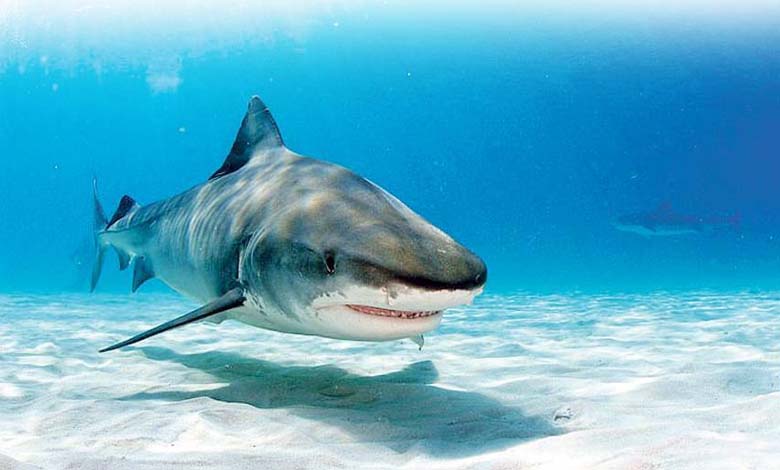
Sharks Explained: Beyond the Myth of the Ocean Villain
For centuries, the mere mention of sharks has conjured images of menacing fins slicing through the water, followed by scenes of dramatic peril. Blockbuster movies and sensationalized media have cemented their reputation as the ocean's most feared and bloodthirsty villains. Yet, beneath this terrifying veneer lies a creature far more complex, fascinating, and vital to our planet's health than popular culture often depicts. It’s time to look beyond the myth and truly understand these ancient, magnificent apex predators.
An Ancient Lineage: Masters of Evolution
Dive deeper than the silver screen and you'll discover that sharks are not just formidable predators of today's seas; they are living relics, a testament to unparalleled evolutionary success. Scientific analysis of fossilized teeth and scales reveals that these incredible creatures have graced our oceans for more than 400 million years. To put that into perspective, sharks predated the dinosaurs by a staggering 200 million years, navigating Earth's waters long before the first trees stood tall or the first reptiles roamed the land. This makes them one of the oldest surviving vertebrate lineages on the planet, a true marvel of adaptation and resilience.
Belonging to a subclass of fish known as elasmobranchii, alongside rays and skates, sharks possess a unique biological blueprint. Unlike most other fish, their skeletons are not made of bone but of cartilage – a flexible, durable tissue that contributes to their agility and stealth in the water. Another distinguishing feature is their respiratory system: most other fish have a single gill slit on each side of their heads, but sharks typically sport five to seven, which efficiently filter life-giving oxygen from the water. This ancient design, refined over countless millennia, underscores their perfect adaptation to marine environments. To learn more about their incredible journey through time and the vast array of species, explore Species & 400 Million Years: Explore Shark Wonders.
A World of Diversity: From Giants to Miniatures
The term "shark" itself is a broad umbrella, encompassing an astonishing array of diversity in size, shape, color, diet, and behavior. With roughly 500 known species, the spectrum is truly breathtaking. At one end, we have the undisputed giants of the ocean, like the majestic whale shark. As the largest fish species on Earth, whale sharks can reach an astounding length of over 55 feet – the size of a large school bus – yet they are gentle filter feeders, posing no threat to humans.
At the other extreme, consider the enigmatic dwarf lantern shark, a tiny marvel that barely reaches eight inches in length, capable of producing its own light in the deep ocean. Between these two extremes lies a fascinating tapestry of life: speedy mako sharks, bottom-dwelling nurse sharks, camouflaged wobbegongs, and iconic great whites, each perfectly evolved for its specific niche.
Regardless of their size, what unites most sharks as formidable predators are their remarkable mouths. Lined with multiple rows of individual teeth, they are a constantly regenerating arsenal. When a tooth breaks or falls out – which happens routinely – another moves forward to replace it. These teeth come in an incredible variety of shapes and sizes, from the razor-sharp, serrated edges of a great white's tooth, designed for tearing flesh, to the triangular, spear-like teeth of a mako, perfect for grasping slippery fish. This dental adaptation ensures they remain at the top of the food chain.
Sharks inhabit virtually every corner of the world's oceans, from the sunlit shallows of tropical coral reefs to the crushing depths of the abyss, and from frigid polar waters to temperate zones. Some species are solitary hunters, patrolling vast territories alone, while others, like the captivating lemon sharks, are known to gather in groups, exhibiting complex social behaviors that scientists are still studying. Many species undertake vast migrations, traveling thousands of miles to find optimal breeding grounds or abundant feeding areas, a testament to their incredible navigational abilities and endurance.
The lifespan of these ancient creatures is another area of ongoing scientific discovery. While much remains unknown about the longevity of many shark species, some truly astounding facts have emerged. The most notable is the incredible Greenland shark, which holds the record as Earth’s longest-lived vertebrate, capable of surviving for an astonishing 272 years, and potentially even longer. This incredible longevity speaks volumes about their slow metabolism and deep-sea adaptation.
Their diets are as varied as their forms. While many smaller species feast on fish and invertebrates like crabs and squid, larger sharks prey on seals, sea lions, and other marine mammals, playing a critical role in controlling populations and maintaining ecosystem health.
Debunking the Myth: Sharks and Humans
Perhaps the most pervasive myth surrounding sharks is their portrayal as indiscriminate, bloodthirsty hunters of humans. The reality is starkly different: humans are simply not on a shark's menu. Despite the terrifying imagery often presented, shark attacks against people are extremely rare events. You are statistically far more likely to die from a lightning strike, a bee sting, or even by drowning in a bathtub than from a shark attack.
When attacks do occur, they are almost never predatory in nature. Instead, scientists suggest several key reasons:
- Curiosity: Sharks explore their environment with their mouths. A "test bite" might be their way of investigating an unfamiliar object – a human limb in murky water, for example.
- Defense: Like any wild animal, sharks will defend themselves if they feel threatened, cornered, or provoked.
- Mistaken Identity: In low visibility conditions or when a swimmer/surfer resembles their natural prey (e.g., a seal from below), a shark might mistake a human for something else.
Understanding these factors can help us appreciate their behavior and take sensible precautions. To minimize the rare risk, it's wise to avoid swimming at dawn or dusk when many sharks are actively hunting, stay out of murky waters, avoid wearing shiny jewelry that can resemble fish scales, and avoid swimming alone far from shore. Ultimately, respecting their habitat and understanding their true nature is key.
The Real Threat: Why Sharks Need Our Protection
While sharks pose a negligible threat to humans, the reverse is tragically true. Humans are, by far, the greatest danger to shark populations worldwide, driving drastic declines that threaten the very balance of our ocean ecosystems. This isn't just bad news for sharks; it's bad news for everyone who relies on healthy oceans.
The most significant threat is **overfishing**. An estimated 100 million sharks are killed each year, a staggering number fueled largely by the demand for shark products, most notably an expensive Chinese delicacy called shark fin soup. While some fisheries allow for the sustainable catch of whole sharks, the cruel practice of shark finning remains a pervasive problem. This involves fishermen catching live sharks, cutting off their fins – often while the animal is still alive – and then dumping the finless bodies back into the ocean. Unable to swim or regulate their bodily functions, these mutilated sharks will bleed out, drown, or be eaten by other predators. This barbaric practice is not only inhumane but incredibly wasteful, as the rest of the shark's body is discarded.
Beyond direct exploitation, habitat destruction plays a crucial role in shrinking shark populations. Rising ocean temperatures, largely attributed to climate change, stress and destroy vital ecosystems like coral reefs and mangrove forests. These habitats serve as crucial nurseries where young shark pups find food and protection from predators, and as hunting grounds for adult sharks. Coastal development further encroaches on these critical areas, reducing the space sharks need to breed, feed, and raise their young successfully.
The decline in shark numbers is a grave concern for the health of our planet. As apex predators, sharks are critical for maintaining a balanced food web. They keep populations of other marine species in check, remove sick or weak animals, and ensure the health and vitality of coral reefs and seagrass beds. Without sharks, these delicate ecosystems can unravel, leading to cascading effects that impact everything from fish stocks to the overall biodiversity of the oceans. Understanding and addressing these threats is paramount for the future of these magnificent creatures and the health of our planet. For a deeper dive into the challenges they face and what can be done, read The Real Threat to Sharks: Why Ocean Predators Need Our Help.
Conclusion
The journey to understand sharks takes us far beyond the sensationalized myths of popular culture. These ancient, incredibly diverse, and ecologically vital creatures have navigated Earth's oceans for hundreds of millions of years, evolving into a multitude of forms perfectly adapted to their environments. Far from being mindless killers, they are sophisticated predators, crucial for maintaining the delicate balance of marine ecosystems. The true villain in this narrative is not the shark, but rather human activity that threatens their very existence. By embracing scientific understanding, supporting conservation efforts, and making responsible choices, we can help ensure that these magnificent masters of the ocean continue to thrive for another 400 million years, safeguarding the health of our planet for generations to come.