Sharks: Ancient Mariners, Modern Marvels, and Vital Ocean Guardians
For over 400 million years, sharks have commanded the world's oceans, enduring mass extinctions that wiped out lesser creatures, including the dinosaurs. Far from the one-dimensional, bloodthirsty villains often sensationalized in blockbuster movies, these magnificent predators are a testament to evolutionary success, boasting a staggering diversity of species, behaviors, and vital roles within marine ecosystems. From the colossal whale shark to the diminutive dwarf lantern shark, their story is one of incredible adaptation and enduring mystery, reminding us that the real wonders of the deep are far more complex and captivating than fiction.
An Ancient Mariner: Sharks Through Time
The lineage of
sharks stretches back further than many realize, with fossilized teeth and scales providing evidence of their existence millions of years before dinosaurs roamed the Earth. This incredible longevity speaks volumes about their evolutionary prowess and adaptability. As members of the subclass Elasmobranchii, alongside rays and skates, sharks possess a unique anatomical blueprint: their skeletons are composed of resilient cartilage rather than bone. This cartilaginous structure provides remarkable flexibility and buoyancy, enabling agile movements through diverse marine environments, from the sunlit shallows to the crushing depths.
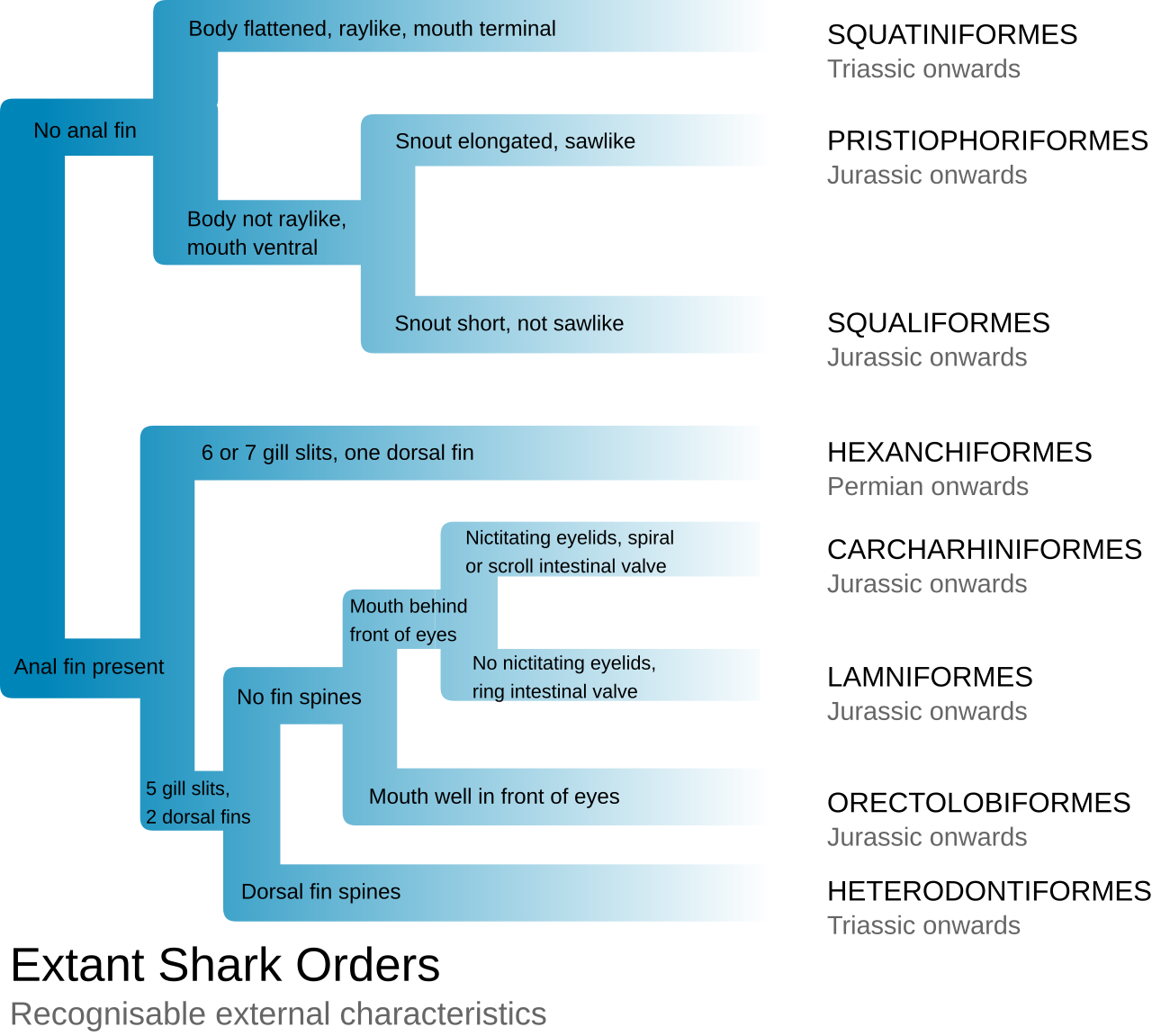
Today, scientists recognize approximately 500 distinct species of sharks, each a marvel of natural engineering. This vast array showcases an astonishing spectrum of sizes, colors, diets, and behaviors. At one end of this spectrum is the gentle giant of the ocean, the whale shark (
Rhincodon typus), the largest fish on Earth, capable of growing to more than 55 feet in length. This colossal filter-feeder glides gracefully, sifting plankton and small fish from the water. Conversely, the dwarf lantern shark (
Etmopterus perryi) represents the miniature end, barely reaching eight inches. These deep-sea dwellers even possess bioluminescent organs, adding to the mystique of their kind. The sheer diversity among shark species, from the iconic great white to the bizarre hammerhead, highlights their ability to carve out countless ecological niches across the globe.
Masters of the Marine Realm: Anatomy, Diet, and Habitat
Sharks are perfectly adapted for their roles as apex predators. Their mouths are lined with multiple rows of individual teeth, a design ensuring a continuous supply of sharp weaponry. These teeth are not static; they routinely fall out and are replaced by new ones, often within days or weeks. This "conveyor belt" of teeth varies dramatically in shape and size depending on the shark's diet. Some, like the great white, boast broad, serrated triangles designed for tearing flesh, while others, such as the mako shark, have slender, conical teeth ideal for grasping slippery fish. Even the filter-feeding whale shark has thousands of tiny, non-functional teeth.
Beyond their formidable dentition, sharks possess an array of sophisticated senses. Their acute sense of smell can detect minute traces of blood in the water, and their lateral line system senses vibrations. Perhaps most uniquely, they possess electroreceptors called ampullae of Lorenzini, allowing them to detect the faint electrical fields generated by muscle contractions of prey, even when hidden.
Sharks inhabit virtually every corner of the world's oceans, thriving in deep abyssal plains, vibrant coral reefs, temperate coastal waters, and even some freshwater systems. Their migratory patterns are often vast and complex, driven by the search for food and suitable breeding grounds. While some species, like the oceanic whitetip, are largely solitary wanderers, others exhibit varying degrees of social behavior. Lemon sharks, for instance, are known to form aggregations, particularly when young, suggesting complex social dynamics that scientists are still unraveling.
The lifespan of sharks is another area of ongoing scientific discovery. While many species remain a mystery, groundbreaking research has revealed the Greenland shark (
Somniosus microcephalus) to be Earth's longest-lived vertebrate, with individuals estimated to live for over 272 years, and potentially much longer. Most sharks feast on smaller fish and invertebrates, but larger species are formidable hunters of seals, sea lions, and other marine mammals, maintaining the balance of their ecosystems.
Dispelling the Myth: Understanding Shark Behavior
Despite the sensationalized media portrayals, human beings are unequivocally *not* on a shark's menu. Shark attacks against humans are exceedingly rare events, often resulting from curiosity, defensive actions against a perceived threat, or mistaken identity in murky waters. You are statistically more likely to drown, be struck by lightning, or even be fatally attacked by a domestic dog than to die from a shark bite. This disconnect between perception and reality often overshadows the true nature and vital ecological role of sharks. For a deeper dive into separating fact from fiction, read
Sharks Explained: Beyond the Myth of the Ocean Villain.
Understanding shark behavior is crucial for both conservation and safe coexistence. Most interactions are benign, and the vast majority of sharks are wary of humans. When incidents do occur, they are typically isolated and localized, often in areas with specific conditions that might lead to confusion, such as murky water, baitfish schools, or surfing activity resembling struggling prey. Educating ourselves about their true nature and avoiding high-risk situations are the best strategies for fostering a healthy relationship with these ancient creatures.
The Silent Crisis: Protecting Our Ocean's Apex Predators
While sharks pose an incredibly minor threat to humans, the reverse is tragically true. Human activities are responsible for drastic declines in shark populations worldwide, pushing many species towards endangered status. The single biggest threat is overfishing. An estimated 100 million sharks are killed each year, primarily to meet the demand for shark fin soup, an expensive delicacy in some Asian cultures. This often leads to the horrific practice of "finning," where fishermen cut the fins off live sharks and then dump the helpless, finless animals back into the ocean, where they drown or bleed to death.
Beyond targeted fishing, sharks also face threats from bycatch (unintentionally caught in nets meant for other species) and habitat destruction. Rising ocean temperatures, ocean acidification, and coastal development are destroying critical breeding and nursery grounds like mangrove forests and coral reefs. These vital habitats provide refuge and food for young shark pups, and their degradation directly impacts the survival rates of future generations.
The decline in shark numbers is not just bad news for the sharks themselves; it has profound implications for the health of the entire ocean. As top predators, sharks play a critical role in maintaining balanced and healthy marine food webs. They regulate prey populations, remove the sick and weak, and prevent any one species from dominating, thereby promoting biodiversity. A drop in shark populations can trigger a "trophic cascade," leading to imbalances throughout the ecosystem, potentially affecting everything from coral reefs to fish stocks. For more information on this critical issue, explore
The Real Threat to Sharks: Why Ocean Predators Need Our Help.
What You Can Do:
- Educate Yourself and Others: Share accurate information about sharks and dispel myths.
- Support Sustainable Seafood: Choose seafood that is caught using methods that minimize bycatch and support healthy ocean ecosystems.
- Advocate for Policy Change: Support organizations working to ban shark finning and implement stronger fishing regulations.
- Reduce Your Carbon Footprint: Help mitigate climate change, which impacts ocean health and shark habitats.
- Support Marine Protected Areas: These areas offer safe havens for sharks to breed and thrive.
Conclusion
The journey of
sharks across 400 million years of Earth's history is a compelling narrative of survival, adaptation, and ecological significance. From their cartilaginous skeletons and perpetually regenerating teeth to their diverse forms and vital predatory roles, sharks are far more than just powerful hunters; they are indispensable architects of ocean health. Understanding their true nature, moving beyond fictional fears, and recognizing the severe threats they face are crucial steps toward ensuring these ancient mariners continue to grace our oceans for another 400 million years. Their future, and by extension the future of our planet's most vital ecosystem, depends on our collective awareness and action.